

When we hear the words “terminal illness,” it can feel like the ground has shifted beneath us. The diagnosis means that a disease can no longer be cured and is expected to lead to death—but those words don’t capture the emotional weight, the shock, or the avalanche of questions that often follow.
While this path is undeniably hard, it can also hold space for connection, reflection, and deep personal meaning. There’s no one way to walk through it—but you don’t have to walk it alone.
Making Sense of a Terminal Diagnosis
Every person responds to a terminal diagnosis differently. Some feel numb at first. Others may be overwhelmed with sadness, fear, or even anger. There’s no right or wrong reaction. What matters is allowing space for your feelings to unfold—on your own terms.
Psychiatrist Elisabeth Kübler-Ross introduced a helpful framework known as the five stages of grief: denial, anger, bargaining, depression, and acceptance. These stages aren’t linear, and you may move in and out of them in your own rhythm. Sometimes, just knowing that what you’re feeling is part of a shared human experience can bring comfort.
Grief and Trauma Along the Way
A terminal illness often carries both trauma and grief.
Trauma might come from the diagnosis itself, the loss of independence, or the physical pain of the illness. Grief may show up not just in anticipation of death, but also in mourning the life you thought you’d have—the plans, dreams, and milestones that may no longer be possible.
Grief isn’t something to fix or rush through. It’s something to honour, with gentleness and care.
Coping, Healing, and Finding Steady Ground
Coping doesn’t mean putting on a brave face. It means finding small ways to care for your body, mind, and spirit. That might include:
- Talking with someone you trust
- Creating quiet moments for reflection or spiritual practice
- Exploring palliative treatments that bring relief
- Journaling, resting, or simply being with what is
Acceptance doesn’t mean giving up. It means finding ways to live with what’s happening—and discovering what still matters most.
Why Support Matters
Being held by others can make all the difference.
A strong support network can ease both practical and emotional burdens. Whether it’s loved ones helping with meals or appointments, a nurse offering gentle care, or a friend who just listens—these connections can help anchor you.
Support groups can also offer a safe place to talk with others who understand. Being seen and heard in your experience can be deeply healing.
What Does an End-of-Life Doula Do?
An end-of-life doula is someone who walks alongside you during this time—not as a medical provider, but as a steady, compassionate presence.
Doulas offer emotional and spiritual support, help facilitate important conversations, and guide you through planning for death in ways that honour your values. They can help you:
- Reflect on your life
- Organize your affairs
- Explore legacy projects
- Navigate the emotional terrain of dying
Their role is to hold space for your experience—whatever that looks like.
Putting Affairs in Order: A Gift to Yourself and Others
Getting your affairs in order can bring a sense of calm and control. It may include:
- Creating an advance care directive
- Writing or updating your will
- Planning your funeral
- Talking with loved ones about your wishes
Though these conversations can feel heavy, they’re acts of love—for yourself, and for the people who will carry your memory forward. A doula can offer support in navigating this process, step by step.
Legacy, Meaning, and Reflection
As life slows down, many people feel a desire to reflect—on what mattered, what they’ve learned, and what they want to leave behind.
Legacy work can be as simple or creative as you wish. You might:
- Write letters to loved ones
- Record your stories or values
- Create a photo album, recipe book, or playlist
- Share teachings or life lessons
These offerings can become cherished touchstones for your family and friends—reminders of your presence and your love.
Setting Priorities, Finding Joy
In this season of life, even the smallest goals can bring a sense of purpose. Maybe it’s time with a grandchild, finishing a personal project, eating a favourite meal, or watching the birds outside your window.
What matters most is honouring what brings you joy, peace, or comfort—moment to moment. It’s okay for these priorities to shift. Let them guide you gently through each day.
When Illness Becomes a Teacher
Though painful, a terminal illness can sometimes open space for transformation. It may invite us to forgive, to soften, to reconnect. It can deepen love and appreciation for the people and places that shaped us.
This isn’t about finding a silver lining in suffering. It’s about meeting life honestly—holding both sorrow and beauty, grief and gratitude, and recognizing the wholeness of our human experience.
You Don’t Have to Go Through This Alone
If you or someone you love is facing a terminal illness, please know: support is available. You deserve to be seen, heard, and held during this time.
Whether you’re seeking help with advance care planning, legacy work, emotional support, or simply someone to walk beside you—an end-of-life doula can offer steady, grounded care.
Learn More
Get to know more about me and explore the end-of-life doula care and planning support I offer in Montreal and through virtual sessions.
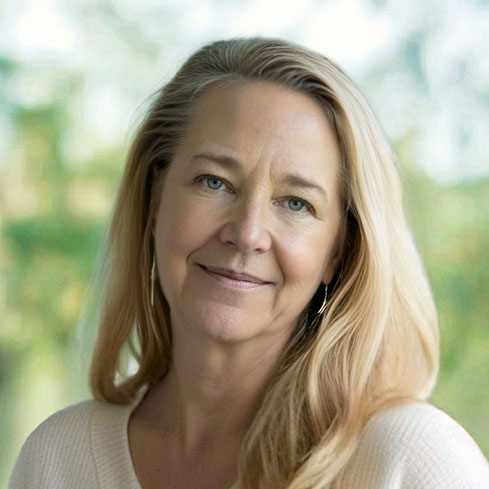
 Nina de Cocq is an end-of-life doula (EOLD) and massage therapist (RMT) offering end-of-life planning and holistic care. She is dedicated to reimagining how we live and die and provides gentle, compassionate support to help navigate the dying process with dignity and peace.
0 Comments