

Planning ahead for the end of life is one of the most loving and empowering things you can do—for yourself and for those who will carry on after you. While it may feel uncomfortable or even overwhelming at first, taking time now to prepare can ease emotional and practical burdens later. It’s never too early to start thinking about how you’d like to be cared for, remembered, and honoured.
Below are three key areas to consider when planning for the end of your life.
1. Pre-Plan Your Funeral or Memorial
Thinking about your own funeral might feel strange—but it’s really about creating space for your loved ones to grieve without added pressure or confusion. Pre-planning your funeral, celebration of life, or other memorial service gives you the opportunity to:
- Choose the kind of service that feels meaningful to you
- Decide who you’d like to speak, what music or readings you’d like shared, or where the service should take place
- Outline any personal touches or cultural traditions you’d like included
By making these decisions in advance, you offer your loved ones a clear roadmap and relieve them of difficult choices during an already tender time. It can also help reduce financial stress by avoiding last-minute arrangements.
2. Organize Your Financial and Legal Affairs
Having your financial matters in order is a gift to your family and future caregivers. A few important steps include:
- Keeping bills up to date and making a plan for any future expenses
- Preparing or updating your will, and ensuring any trusts are clear and current
- Naming beneficiaries and making sure accounts and insurance policies reflect your wishes
- Letting a trusted person know how to access essential documents and accounts if needed
It’s also wise to think about how your belongings, home, or special items will be handled—whether through formal estate planning or simple conversations. Your clarity now can prevent confusion or conflict later.
3. Create an Advance Directive
An advance directive (sometimes called a personal directive or living will) allows you to name someone you trust to make medical decisions on your behalf if you’re ever unable to do so yourself.
In this document, you can:
- Outline the kind of medical care you want—or don’t want
- Appoint a substitute decision-maker
- Share your values and wishes about quality of life, pain management, and end-of-life care
Having an advance directive in place brings peace of mind for both you and your loved ones, ensuring that your voice is heard even if you can’t speak for yourself.
Gentle Next Steps
You don’t have to do everything all at once. Start small. Choose one area that feels most urgent or accessible and go from there. You might begin by talking to a family member, reaching out to a legal or healthcare professional, or even just writing down your wishes in a notebook.
If you’d like compassionate support in this process, you’re not alone. As an end-of-life doula, I’m here to walk beside you—whether you need help sorting through options, starting conversations, or making your plans feel more grounded and personal.
Reach out anytime if you’d like to talk or learn more. You deserve to be supported in making your end-of-life choices with clarity, dignity, and care.
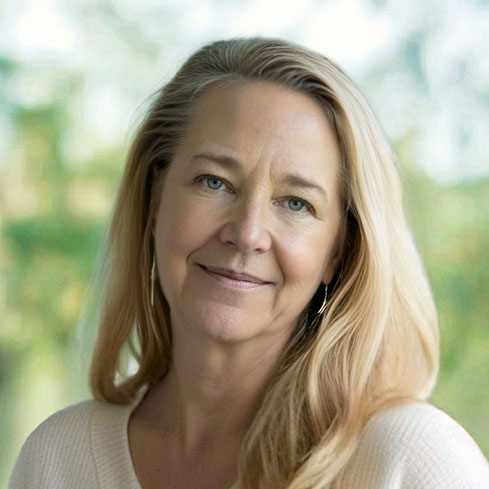
 Nina de Cocq is an end-of-life doula (EOLD) and massage therapist (RMT) offering end-of-life planning and holistic care. She is dedicated to reimagining how we live and die and provides gentle, compassionate support to help navigate the dying process with dignity and peace.
0 Comments