

The end of life is one of the most vulnerable times we experience. Whether we’re the one approaching death or standing beside a loved one, the path can feel unfamiliar, overwhelming, and, at times, profoundly isolating.
In the midst of medical appointments, care decisions, and emotional upheaval, many people yearn for something more human—someone who can simply be there, hold space, and help make sense of it all.
That’s where end-of-life doulas come in.
These compassionate companions offer emotional, spiritual, and practical support to individuals and families during the final stages of life. Their presence can transform the dying process from something clinical or chaotic into something grounded, meaningful, and deeply personal.
What Is an End-of-Life Doula?
An end-of-life doula (or death doula) is a trained, non-medical support person who walks alongside individuals and their loved ones through the dying process. Unlike doctors or nurses, doulas don’t provide medical care—but what they do offer is just as vital.
They provide presence.
They listen.
They comfort.
They help families navigate unfamiliar terrain with a steady, compassionate hand.
Depending on your needs, a doula might:
- Offer emotional support and gentle presence
- Help plan for end-of-life care, wishes, and legacy
- Sit vigil during the final hours
- Guide rituals, storytelling, or memory-sharing
- Support loved ones through grief, overwhelm, and practical logistics
Doulas work alongside hospice teams, healthcare providers, and caregivers—not to replace them, but to complement them. Their focus is on the person, not the illness.
What Does a Doula Actually Do?
No two doula relationships look the same. Each one is shaped by the needs, values, and pace of the person they’re supporting.
Some people want to reflect on their life, tell stories, or create a legacy project. Others want quiet companionship. Some families need help planning a vigil or navigating the practical steps of dying. Some just need someone to sit with them—calm and unafraid.
An end-of-life doula may:
- Help create a peaceful space with music, touch, aromatherapy, or silence
- Sit bedside during the active dying process
- Offer guidance around care planning or advance directives
- Provide respite and emotional grounding for caregivers
- Facilitate rituals, blessings, or ceremonies
- Be a calm, steady presence through uncertainty, fear, and transition
Above all, doulas honour each person’s unique journey—meeting them with empathy, respect, and tenderness.
Why Work with an End-of-Life Doula?
For someone nearing the end of life, having a doula can:
- Ease anxiety and fear
- Create opportunities for connection and closure
- Support spiritual or emotional reflection
- Bring comfort and dignity to the dying process
For family and loved ones, doulas can:
- Offer a steady presence in a time of emotional overwhelm
- Provide respite for exhausted caregivers
- Help coordinate care or honour cultural/spiritual traditions
- Create space for grieving, storytelling, or quiet moments of connection
Doulas don’t rush or fix. They simply show up—with warmth, presence, and care.
Doulas and Hospice: What’s the Difference?
It’s a common question: how are end-of-life doulas different from hospice care?
Hospice is a form of medical care focused on comfort and quality of life. It’s typically provided by a team of professionals—doctors, nurses, social workers, and chaplains—who manage symptoms and provide medical support.
End-of-life doulas are not medical providers. Their role is to support the emotional, spiritual, and practical side of dying. They work alongside hospice, not instead of it, offering a more holistic, human-centred layer of care.
Together, doulas and hospice can form a powerful partnership—ensuring both body and soul are cared for.
Stories from Families
The impact of doula support is often best understood through the voices of those who’ve lived it.
One family, navigating their mother’s final weeks with cancer, shared how their doula helped them create a soft, candlelit vigil with music and quiet prayers. “It felt like her death—not a hospital death. Peaceful. Personal.”
Another family, whose father had advanced Alzheimer’s, worked with a doula to co-create a legacy project—a short video tribute filled with photos, music, and stories. “We got to remember his life before the illness. It gave us something joyful to hold on to.”
These moments matter. They help soften the sharp edges of loss and bring beauty into a tender time.
How to Find an End-of-Life Doula
If you’re curious about working with a doula, here are a few places to start:
- The End of Life Doula Association of Canada
- The National End-of-Life Doula Alliance (NEDA)
- Ask your local hospice team, palliative care provider, or community networks
Take your time. Look for someone whose approach feels aligned with your needs. A good fit matters—it’s a relationship built on trust, care, and shared values.
Additional Support and Resources
End-of-life doulas are one part of a broader circle of care. Other helpful supports include:
- Hospice or palliative care programs
- Social workers and grief counsellors
- Advance care planning resources
- Faith or cultural communities
- Grief support groups, both online and local
The more supported you feel, the more space there is for presence, connection, and love.
Final Thoughts: Holding Space at the End of Life
Dying is not just a medical event. It’s a sacred transition—worthy of gentleness, reverence, and presence.
End-of-life doulas remind us that no one has to face this time alone. Whether you’re walking your own path or supporting someone you love, a doula can help you move through the unknown with more ease, clarity, and compassion.
If you’re wondering whether doula support might be right for you or your family, you’re warmly invited to reach out. You don’t need to have all the answers. Just start with a conversation.
Learn More
Get to know more about me and explore the end-of-life doula care and planning support I offer in Montreal and through virtual sessions.
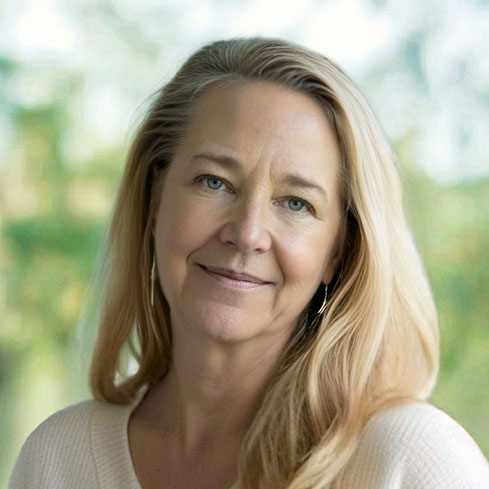
 Nina de Cocq is an end-of-life doula (EOLD) and massage therapist (RMT) offering end-of-life planning and holistic care. She is dedicated to reimagining how we live and die and provides gentle, compassionate support to help navigate the dying process with dignity and peace.
0 Comments